Why February Is the Worst Month for Foundation Damage in Canada
February is when many Canadian homeowners first realize something is wrong with their home’s structural integrity. While the weather may feel quieter than spring storms, behind the scenes, February is often the most damaging month for foundations—especially in regions like Edmonton, Central Alberta, Vancouver, and the Lower Mainland.
If you’ve noticed new cracks, damp basement walls, or doors suddenly sticking, you’re not alone. These issues often peak right now, and they’re rarely random.
The good news? Most February foundation damage is manageable when caught early.
In this guide, we’ll explain why February foundation damage is so common, the warning signs to watch for, and how to act before the spring thaw turns small issues into expensive repairs.

Why February Is So Hard on Foundations in Canada
February represents the peak of Canada’s frost‑action stress. By this point in winter, the ground surrounding your home has frozen deeply. However, fluctuating late‑winter temperatures create a volatile environment for both concrete and soil.
During brief daytime warm‑ups, snow and ice begin to melt. This water seeps into the soil around your foundation. When temperatures drop again overnight, that trapped moisture refreezes and expands by approximately 9% in volume, placing intense lateral pressure on foundation walls.
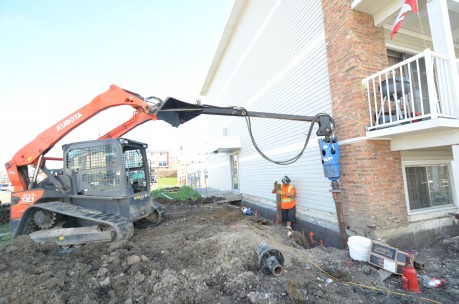
Understanding how professional Foundation Repair Services address this pressure is essential for homeowners dealing with repeated winter movement and cracking.
Common Foundation Problems That Appear in February
Many homeowners don’t realize damage is occurring until spring, but February is when issues often begin.
Foundation Cracks Worsen in Winter
Small cracks formed earlier in the season can expand as water freezes inside them. Over time, this weakens the concrete and significantly increases the risk of leaks and structural deterioration.
Learn more about how cracks are professionally sealed through Foundation Crack Repair solutions.
Basement Water Intrusion and Moisture
Ice buildup around the foundation can redirect melting snow toward basement walls. This often results in:
- Damp basement walls
- Musty odors
- Efflorescence (white powder on concrete)
Proper Basement Waterproofing helps prevent moisture intrusion during winter thaw cycles.
Structural Shifting and Uneven Floors
As soil moves unevenly, parts of the foundation may settle or lift, leading to sloping floors, sticking doors, and window frame separation.
5 Warning Signs of February Foundation Damage
If you notice any of the following signs during or after February, your foundation may already be under stress:
- New or widening cracks in basement walls or floors
- Doors and windows sticking or misaligned
- Moisture stains or damp patches on basement walls
- Bowing or leaning foundation walls
- Gaps forming around window frames or baseboards
These issues rarely resolve on their own and usually worsen once the spring thaw arrives.
Why Waiting Until Spring Can Make Foundation Damage Worse
Many homeowners assume foundation repairs should wait until warmer weather. Unfortunately, delaying action can lead to more extensive and expensive repairs.
- Spring thaw releases trapped water into existing cracks
- Saturated soil increases hydrostatic pressure against foundation walls
- Minor cracks can turn into structural failures
Addressing February foundation damage early can prevent basement flooding and long‑term structural damage.
What Homeowners Should Do in February
Taking proactive steps in February can significantly reduce foundation damage.
Monitor Your Foundation Closely
Inspect your basement walls, floors, and exterior foundation for new cracks or moisture signs.
Improve Drainage and Snow Management
- Clear snow away from the foundation perimeter
- Ensure downspouts extend away from the home
- Prevent ice buildup near basement walls
Schedule a Professional Foundation Inspection
A professional assessment can identify early‑stage damage before it escalates into a major repair. Book an inspection through Abarent Construction for expert guidance.
Foundation Repair and Waterproofing Solutions
Professional foundation repair services may include:
- Crack repair and epoxy injections
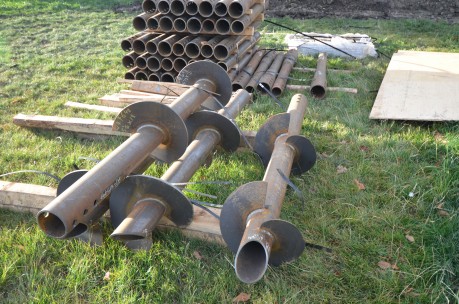
- Structural reinforcement and stabilization
- Basement waterproofing systems
- Drainage and moisture control solutions
These solutions protect your home from further winter‑related damage and prepare it for spring melt.
For additional reading on freeze–thaw cycles and frost depth in Canada, visit Government of Canada – Climate Information.
Frequently Asked Questions (FAQ)
Can foundation cracks get worse in winter?
Yes. Water freezing inside cracks expands and widens them, making winter—especially February—one of the most damaging seasons for foundations.
Is February really worse than January for foundation damage?
Often, yes. February combines deep frost penetration with increased temperature fluctuations, intensifying freeze–thaw stress.
Should foundation repairs be done in winter?
Many inspections and certain repairs can be safely done in winter, and early intervention often reduces overall repair costs.
Final Thoughts: Don’t Ignore February Foundation Warning Signs
February may be cold and quiet, but it is one of the most destructive months for foundations in Canada. Freeze–thaw cycles, frost heave, and hidden moisture can cause damage that becomes very visible—and expensive—by spring.
If you notice cracks, moisture, or structural changes, acting now can protect your home from serious long‑term damage.
A strong foundation starts with early attention—especially in winter.
Get Directions for Edmonton and Vancouver OR Visit us @ https://www.abarent.net
Call us: EDMONTON: (780) 448-2592 | VANCOUVER: (604) 362-0119
Connect with Abarent Construction Online:[ LinkedIn ] [ Pinterest ] [ Facebook ] [ YouTube ] [Instagram]