Weeping Tile Replacement: Is It Time for a 2026 Drainage Upgrade?
Most homeowners don’t think about Weeping Tile Replacement or their foundation drainage system very often—and that’s understandable. Unlike a roof or a furnace, you can’t see it working every day. But the drainage system around your foundation quietly plays a major role in protecting your basement from water damage.
One of the key parts of that system is the weeping tile. When it’s working properly, it quietly moves groundwater away from your foundation before it has the chance to build up and cause problems.
The issue is that many homes built 20 or 30 years ago now have aging drainage systems. Pipes can clog, shift, or simply stop working as efficiently as they once did. That’s why more homeowners are starting to ask whether Weeping Tile Replacement is something they should be considering in 2026.

What Is a Weeping Tile System?
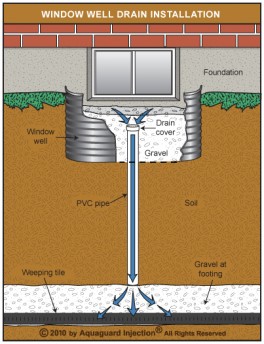
Despite the name, a weeping tile isn’t actually a tile. It’s a perforated drainage pipe installed around the base of your foundation. The pipe sits below ground level and is surrounded by gravel so groundwater can easily flow into it.
Once water enters the pipe, it gets redirected away from your home—usually toward a sump pump or a safe drainage outlet.
Without a proper drainage system, groundwater can collect around the foundation walls. Over time, that pressure can force moisture through small cracks in the concrete, which is why basement leaks often start with drainage problems. A functioning foundation drainage system is a key part of basement waterproofing and other modern drainage solutions.
Why Older Homes Sometimes Need Drainage Upgrades
In many older homes, the original drainage pipes were made from clay or early plastic materials. Over the years, those pipes can deteriorate or become blocked by soil and sediment.
A few common things can affect an aging drainage system:
- Soil movement around the foundation
- Tree roots growing into the drainage pipes
- Debris clogging the pipe openings
- Freeze–thaw cycles shifting the ground
When this happens, water no longer drains properly. Instead, it collects around the foundation, which can lead to damp basement walls, musty smells, or small leaks.
In cases like these, Weeping Tile Replacement is often the best long-term solution to restore proper drainage.
Signs Your Weeping Tile Might Not Be Working Properly
Drainage problems usually develop gradually. Many homeowners notice small warning signs before the situation becomes serious. Some things to watch for include:
- A Damp or Musty Basement: If your basement always feels humid or smells musty, excess moisture could be building up around your foundation.
- Water Marks on Basement Walls: White mineral deposits or stains on concrete walls often mean water is moving through the surface.
- Pooling Water Outside: Standing water near the foundation after rain or snowmelt may indicate the drainage system isn’t directing water away properly.
- Frequent Sump Pump Activity: If your sump pump systems run constantly, it may be handling excess water from a failing drainage system.
- Small Foundation Cracks: Hydrostatic pressure from trapped groundwater can slowly create cracks in basement walls.
These signs don’t always mean immediate replacement is needed, but they indicate your foundation drainage system should be inspected.
A Few Simple Drainage Checks Homeowners Can Do
Before assuming the worst, it’s worth checking a few basic things around your home. Sometimes drainage issues are caused by surface water rather than the underground system.
- Make sure downspouts extend far enough from the house
- Check that the ground slopes away from the foundation
- Keep exterior drains and window wells clear of debris
These simple steps can reduce the water reaching your foundation. If you’re preparing for the seasonal thaw, you can also follow our spring drainage maintenance checklist to make sure your property is ready before the grass turns green again.
What Happens During a Weeping Tile Replacement?
If a drainage system has failed or become severely clogged, Weeping Tile Replacement may be recommended. While it sounds like a big job, it’s a fairly standard process for experienced foundation contractors.
Typically, the process includes:
- Excavating soil around the foundation
- Removing old or clogged drainage pipes
- Installing modern perforated drainage pipe
- Adding clean gravel for proper filtration
- Installing waterproof membranes if needed
- Connecting the system to a sump pump or safe drainage outlet
Modern systems are often wrapped in filter fabric to reduce clogging. Once installed, a properly functioning system can last decades and significantly reduce the risk of basement water problems. Proper drainage solutions and basement waterproofing work hand-in-hand with a new weeping tile system to protect your home.
Why It’s Better Not to Wait Too Long
Drainage issues tend to worsen over time. As groundwater builds up around the foundation, hydrostatic pressure increases, which can lead to cracks, leaks, or even structural movement.
Many homeowners only start looking into the problem once water enters the basement. By then, repairs can be expensive. Learning about foundation repair costs in Alberta helps homeowners understand why timely Weeping Tile Replacement is often the more affordable and smarter choice.
Why 2026 Is a Good Time for a Drainage Upgrade
Several factors make 2026 a good time to consider Weeping Tile Replacement:
- Many homes built in the 1980s and 1990s now have aging drainage systems
- Climate patterns are bringing heavier rain events and faster spring snowmelt
- Proactively upgrading drainage can prevent basement flooding and reduce hydrostatic pressure on foundation walls
- Protect finished basements and renovations while maintaining long-term property value
In many cases, addressing drainage early is far less expensive than repairing structural foundation damage later.
Final Thoughts
The best time to deal with drainage problems is before they become visible.
A failing drainage system can slowly cause moisture buildup, basement leaks, and foundation damage. But with proper maintenance and timely Weeping Tile Replacement, homeowners can protect their property for decades.
As we move through 2026, many homeowners are taking a closer look at their drainage systems—and for good reason. A well-functioning foundation drainage system keeps groundwater where it belongs: away from your foundation.
If you’re noticing moisture in your basement, standing water near your foundation, or other signs of drainage trouble, it may be time to have your system inspected. At Abarent Construction Group LTD, we help homeowners assess drainage issues and determine whether repair or Weeping Tile Replacement is the right solution.
Learn more about our foundation repair and drainage services.
Call Us: Edmonton: (780) 448-2592 | Vancouver: (604) 362-0119
Connect with Abarent Online: [ LinkedIn ] [ Pinterest ] [ Facebook ] [ YouTube ] [Instagram]